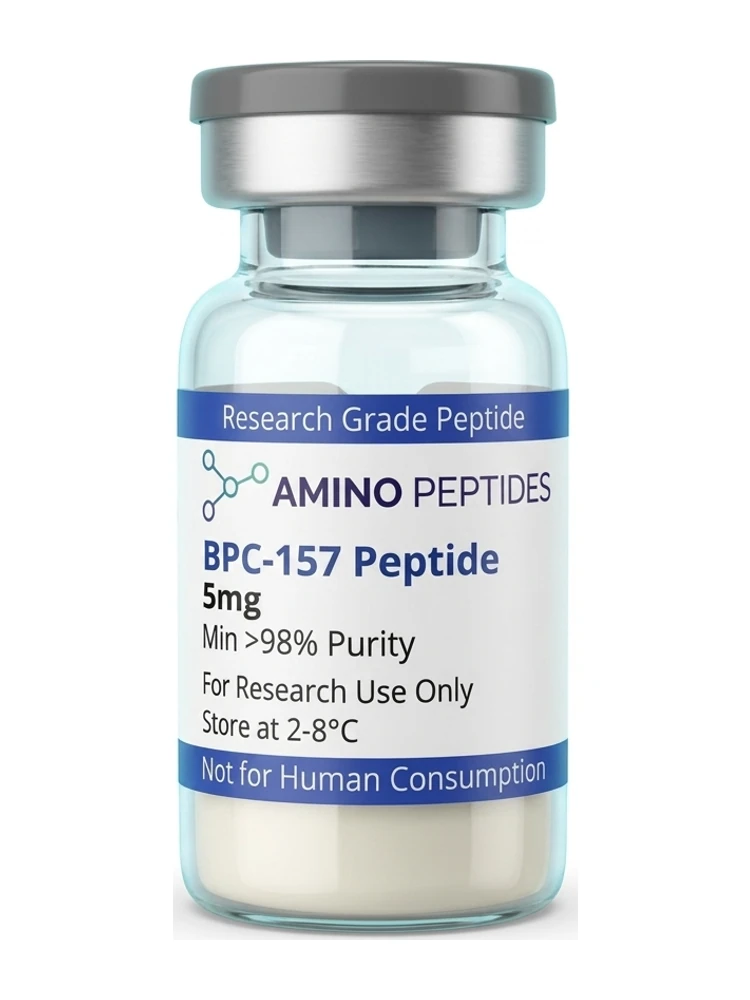
Tissue & Recovery
BPC-157
Cell-migration assays, growth-factor signalling, and nitric-oxide pathways.
Typical draw: 250 mcgWater mix: 2 mL
UK METRIC PEPTIDE REFERENCE · 270 PUBMED CITATIONS
Peptide Dosing UK provides instant metric reconstitution calculations, converting milligrams and micrograms into millilitres and U-100 syringe units. It publishes pre-calculated vial charts for 48 research peptides and blends, with 270+ peer-reviewed literature references.
Exact U-100 & Pen Unit Maths: Instant conversions for 0.3 mL (30-Unit), 0.5 mL (50-Unit), and 1.0 mL (100-Unit) insulin syringes plus 300-click cartridge pens.
48 Compound-Specific Dosage Charts: Worked tables for every vial size (2 mg to 1,000 mg), including BPC-157, TB-500, GLOW 70mg, KLOW 80mg, MOTS-c, Retatrutide (10mg–80mg), NAD+, and GHK-Cu.
Verified Scientific Literature: Cross-referenced against NCBI PubMed, Europe PMC (EMBL-EBI Cambridge), NIH PubChem, and ClinicalTrials.gov with 2°C–8°C UK refrigerator stability guidelines.
Tissue & Recovery
Cell-migration assays, growth-factor signalling, and nitric-oxide pathways.
Typical draw: 250 mcgWater mix: 2 mL
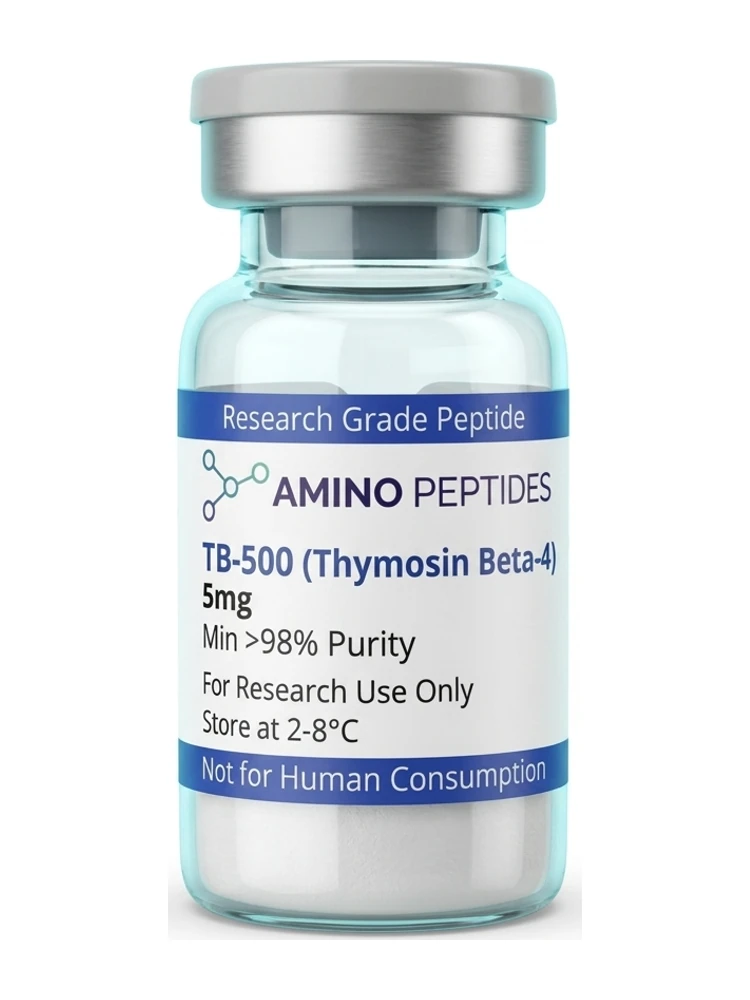
Tissue & Recovery
Actin binding and cell-motility models.
Typical draw: 250 mcgWater mix: 2 mL
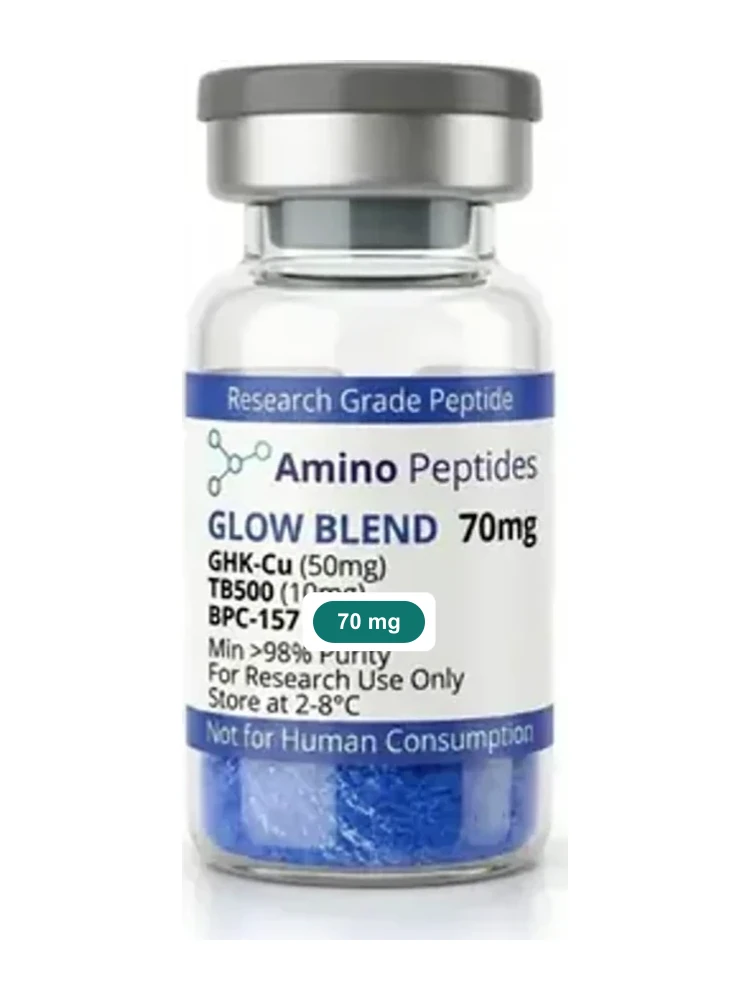
Blends & Stacks
Matrix-copper, cell-migration, and actin-binding readouts in one draw.
Typical draw: 2000 mcgWater mix: 3 mL
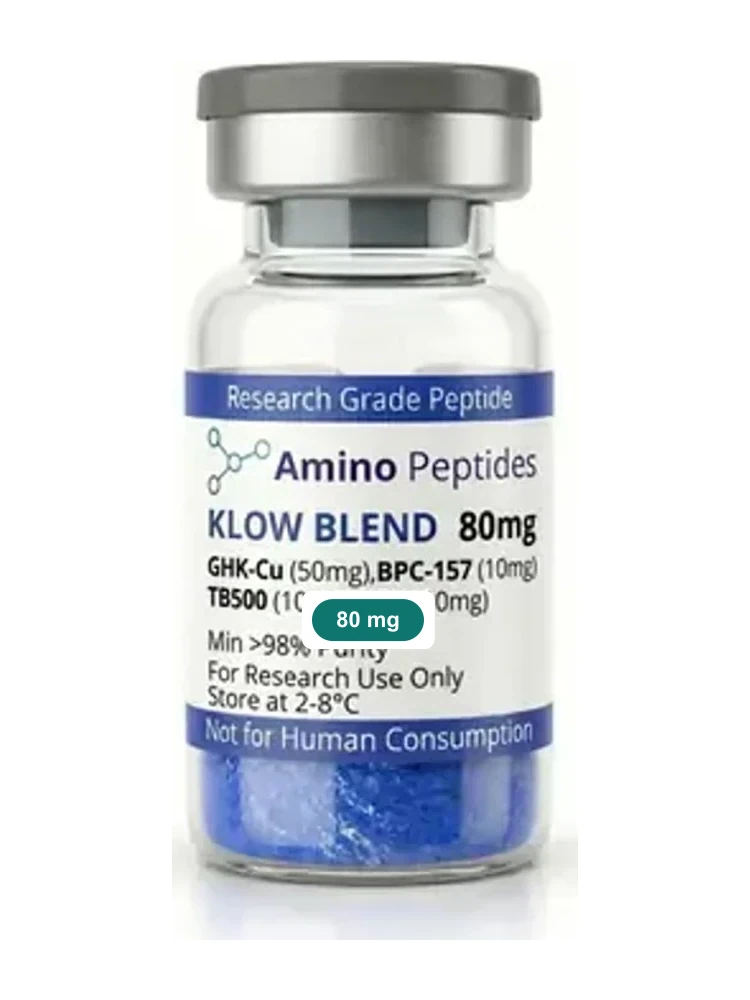
Blends & Stacks
Matrix, migration, actin, and innate-immune cell models.
Typical draw: 2000 mcgWater mix: 3 mL
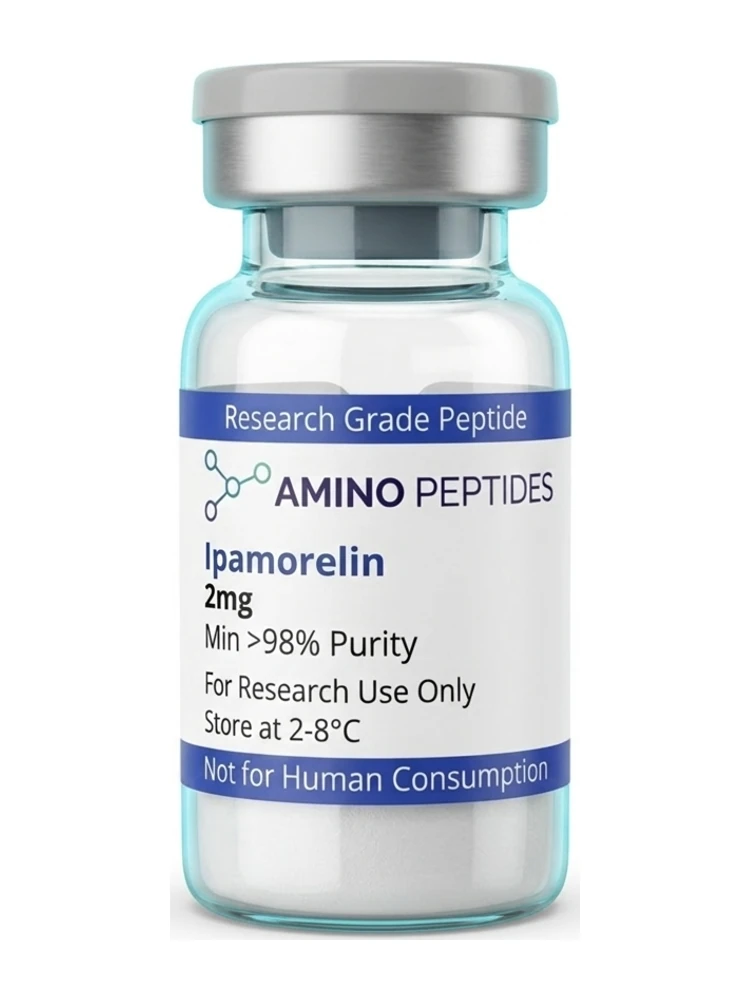
Growth Factors
GHSR (ghrelin receptor) secretagogue assays.
Typical draw: 250 mcgWater mix: 1 mL
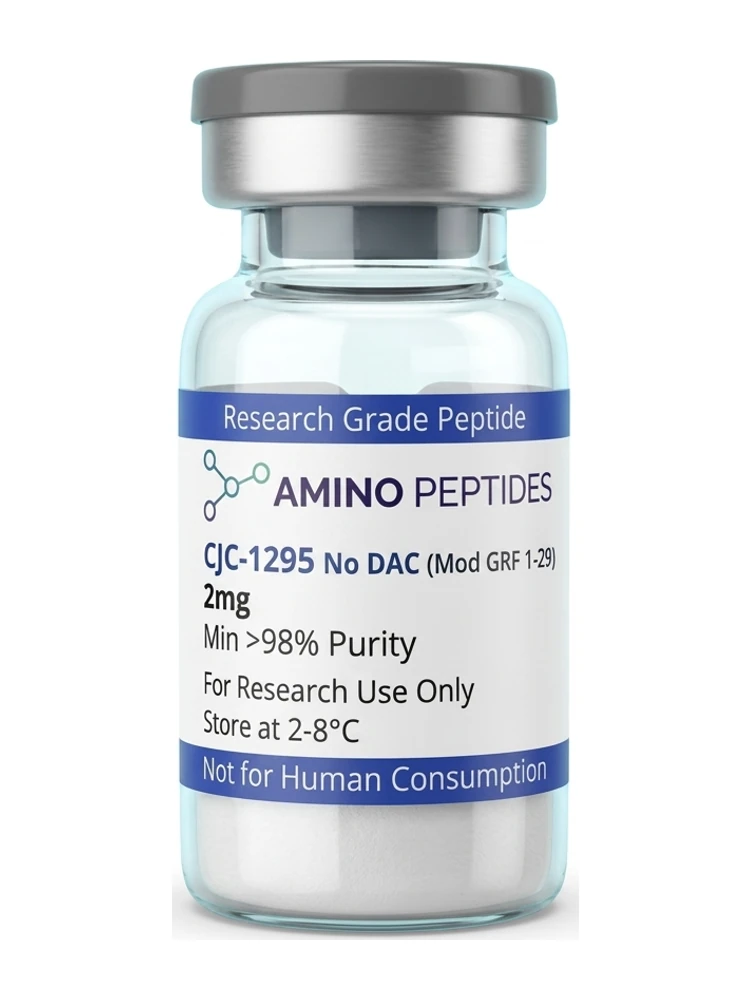
Growth Factors
GHRH receptor signalling.
Typical draw: 250 mcgWater mix: 1 mL
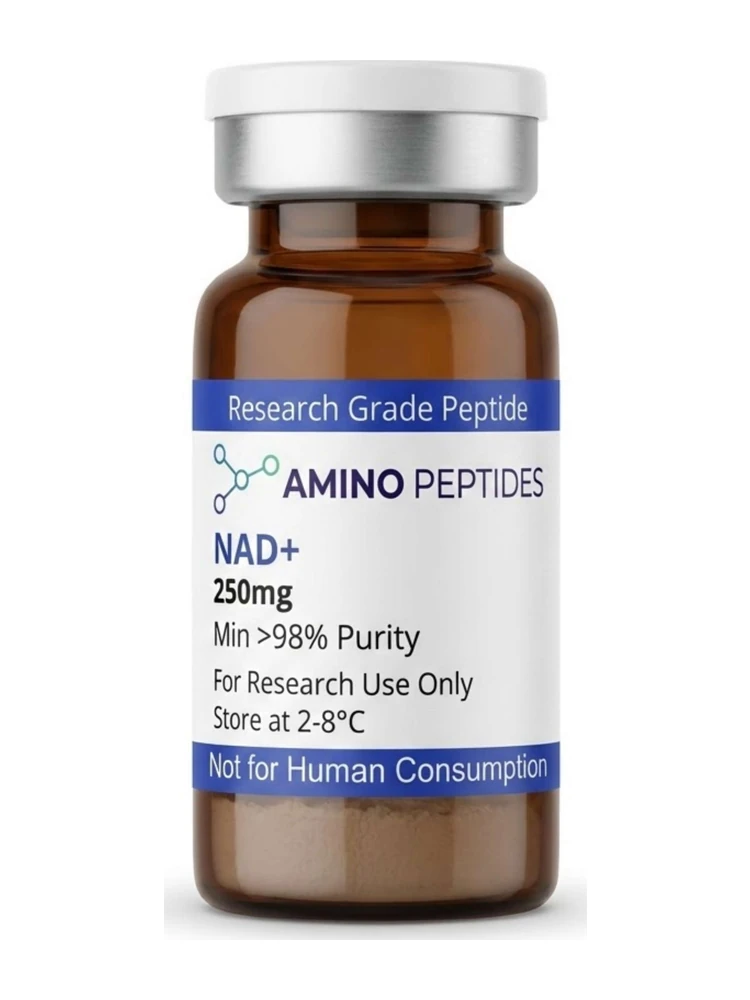
Redox cofactor for dehydrogenase enzymes and sirtuin assays.
Typical draw: 25000 mcgWater mix: 3 mL
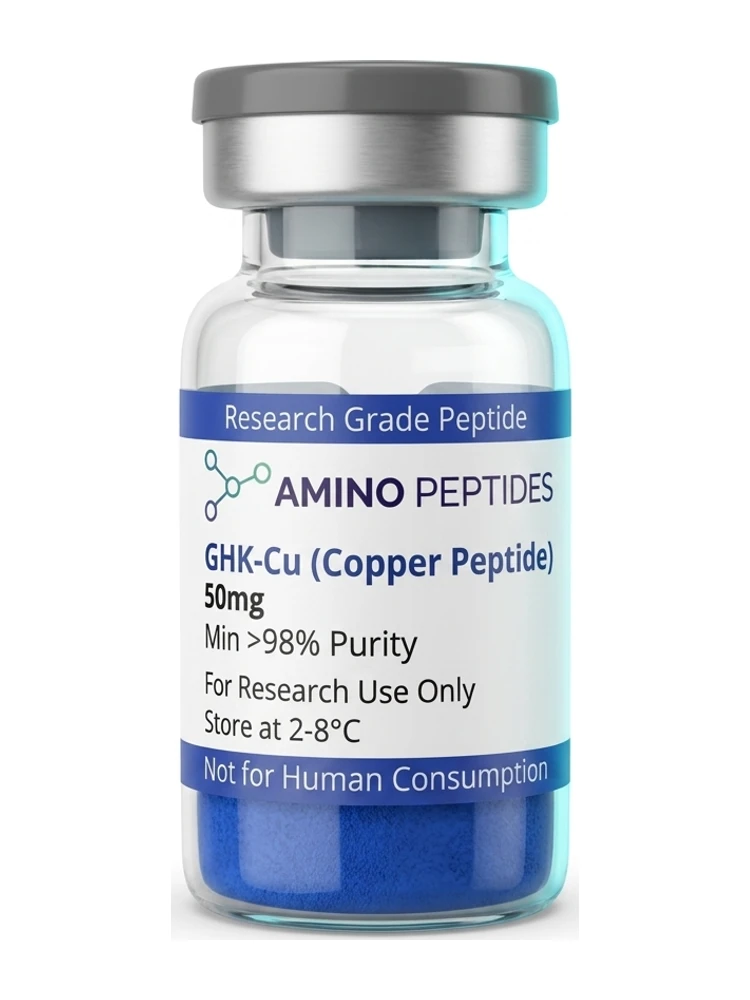
Skin & Copper
Copper delivery and matrix gene-expression models.
Typical draw: 2000 mcgWater mix: 2.5 mL
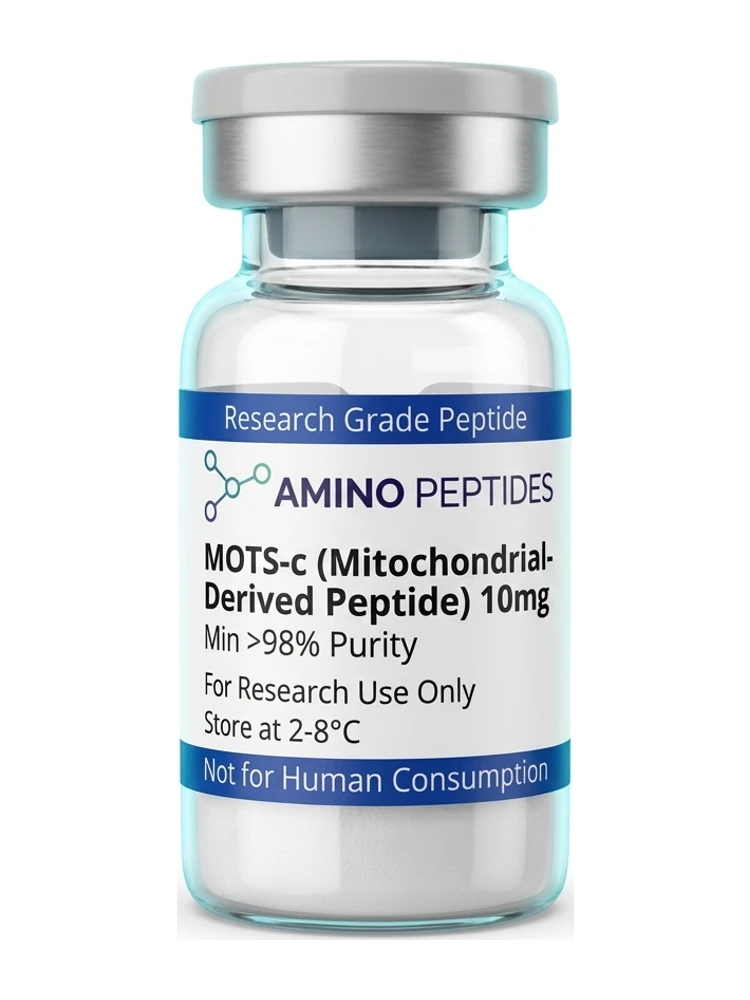
AMPK-linked mitochondrial energy assays.
Typical draw: 2000 mcgWater mix: 2 mL
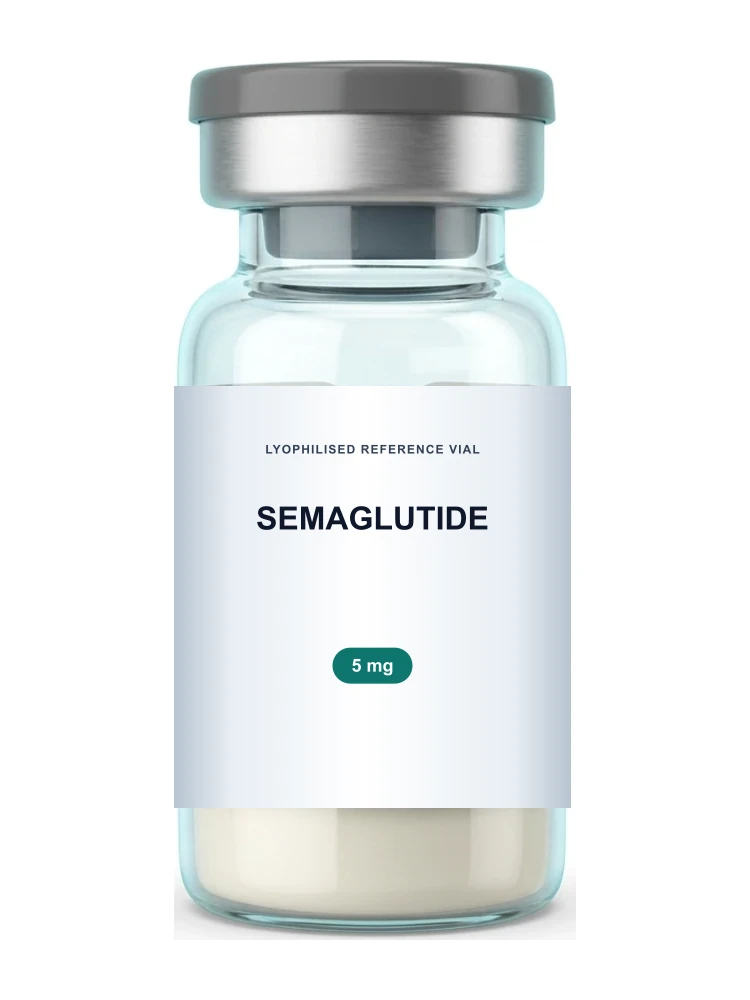
GLP & Metabolic
Selective GLP-1 receptor agonism in published weight loss, appetite, and satiety research.
Typical draw: 250 mcgWater mix: 2 mL
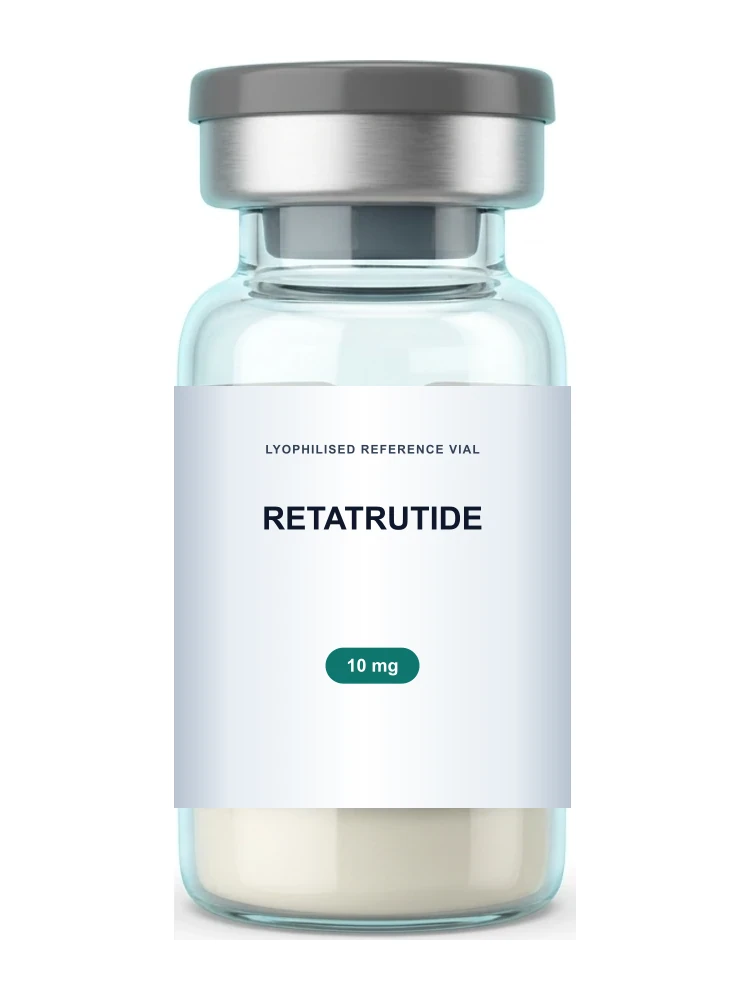
GLP & Metabolic
Triple GLP-1, GIP and glucagon receptor agonism in published weight loss and metabolic research.
Typical draw: 2000 mcgWater mix: 2 mL
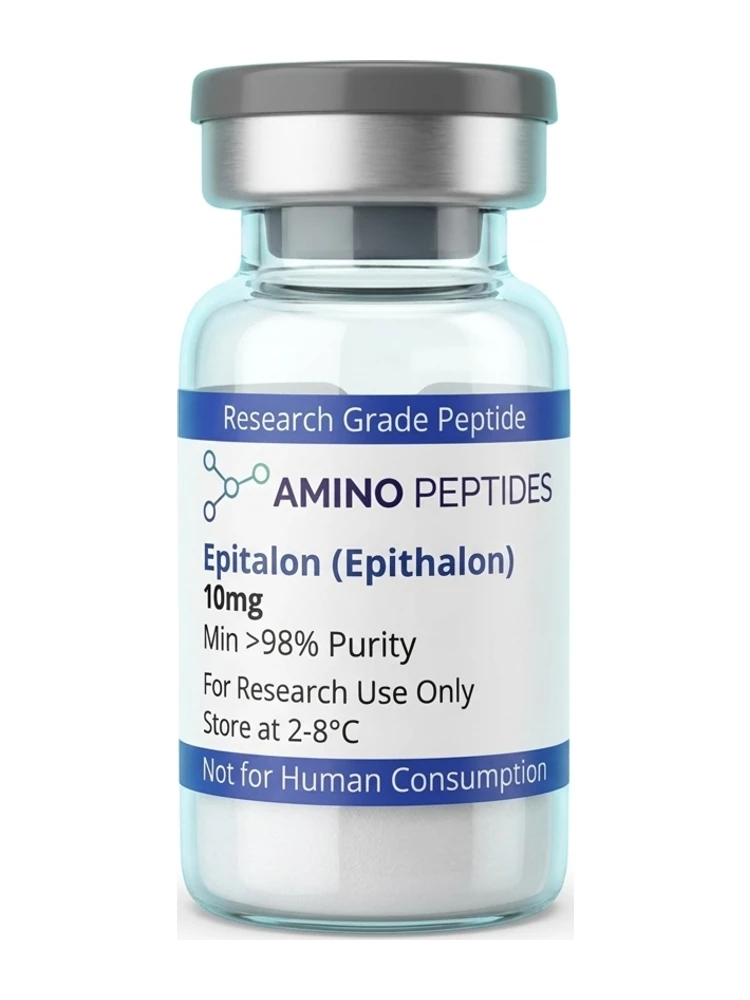
Telomerase-expression and pineal-cell models.
Typical draw: 1000 mcgWater mix: 2 mL
Choose a vial mass, the bacteriostatic water volume, and the amount to measure. The U-100 mark updates for a 0.3 mL, 0.5 mL, or 1.0 mL barrel.
25 mcg per U-100 unit at this mix.
Duration
Schedule
3 Vials + 1 x 10mL Bacteriostatic Water Needed
View Verified UK Supplier (3 Vials Required) ->Concentration is vial milligrams divided by bacteriostatic water millilitres. One U-100 unit is 0.01 mL. A mark over 100 units does not fit a 1.0 mL barrel. Scroll sideways on a narrow screen.
| Vial | Bacteriostatic water | Concentration (mg/mL) | mcg per 1 U-100 unit | 250 mcg | 500 mcg | 1 mg | 2 mg |
|---|---|---|---|---|---|---|---|
| 5 mg | 1 mL | 5 mg/mL | 50 mcg | 5 units | 10 units | 20 units | 40 units |
| 5 mg | 2 mL | 2.5 mg/mL | 25 mcg | 10 units | 20 units | 40 units | 80 units |
| 5 mg | 3 mL | 1.67 mg/mL | 16.67 mcg | 15 units | 30 units | 60 units | 120 units (over 100) |
| 10 mg | 1 mL | 10 mg/mL | 100 mcg | 2.5 units | 5 units | 10 units | 20 units |
| 10 mg | 2 mL | 5 mg/mL | 50 mcg | 5 units | 10 units | 20 units | 40 units |
| 10 mg | 3 mL | 3.33 mg/mL | 33.33 mcg | 7.5 units | 15 units | 30 units | 60 units |
| 15 mg | 1 mL | 15 mg/mL | 150 mcg | 1.67 units | 3.33 units | 6.67 units | 13.33 units |
| 15 mg | 2 mL | 7.5 mg/mL | 75 mcg | 3.33 units | 6.67 units | 13.33 units | 26.67 units |
| 15 mg | 3 mL | 5 mg/mL | 50 mcg | 5 units | 10 units | 20 units | 40 units |
| 20 mg | 1 mL | 20 mg/mL | 200 mcg | 1.25 units | 2.5 units | 5 units | 10 units |
| 20 mg | 2 mL | 10 mg/mL | 100 mcg | 2.5 units | 5 units | 10 units | 20 units |
| 20 mg | 3 mL | 6.67 mg/mL | 66.67 mcg | 3.75 units | 7.5 units | 15 units | 30 units |
| 30 mg | 1 mL | 30 mg/mL | 300 mcg | 0.83 units | 1.67 units | 3.33 units | 6.67 units |
| 30 mg | 2 mL | 15 mg/mL | 150 mcg | 1.67 units | 3.33 units | 6.67 units | 13.33 units |
| 30 mg | 3 mL | 10 mg/mL | 100 mcg | 2.5 units | 5 units | 10 units | 20 units |
| 40 mg | 1 mL | 40 mg/mL | 400 mcg | 0.63 units | 1.25 units | 2.5 units | 5 units |
| 40 mg | 2 mL | 20 mg/mL | 200 mcg | 1.25 units | 2.5 units | 5 units | 10 units |
| 40 mg | 3 mL | 13.33 mg/mL | 133.33 mcg | 1.87 units | 3.75 units | 7.5 units | 15 units |
| 50 mg | 1 mL | 50 mg/mL | 500 mcg | 0.5 units | 1 units | 2 units | 4 units |
| 50 mg | 2 mL | 25 mg/mL | 250 mcg | 1 units | 2 units | 4 units | 8 units |
| 50 mg | 3 mL | 16.67 mg/mL | 166.67 mcg | 1.5 units | 3 units | 6 units | 12 units |
| 60 mg | 1 mL | 60 mg/mL | 600 mcg | 0.42 units | 0.83 units | 1.67 units | 3.33 units |
| 60 mg | 2 mL | 30 mg/mL | 300 mcg | 0.83 units | 1.67 units | 3.33 units | 6.67 units |
| 60 mg | 3 mL | 20 mg/mL | 200 mcg | 1.25 units | 2.5 units | 5 units | 10 units |
| 70 mg | 1 mL | 70 mg/mL | 700 mcg | 0.36 units | 0.71 units | 1.43 units | 2.86 units |
| 70 mg | 2 mL | 35 mg/mL | 350 mcg | 0.71 units | 1.43 units | 2.86 units | 5.71 units |
| 70 mg | 3 mL | 23.33 mg/mL | 233.33 mcg | 1.07 units | 2.14 units | 4.29 units | 8.57 units |
| 80 mg | 1 mL | 80 mg/mL | 800 mcg | 0.31 units | 0.63 units | 1.25 units | 2.5 units |
| 80 mg | 2 mL | 40 mg/mL | 400 mcg | 0.63 units | 1.25 units | 2.5 units | 5 units |
| 80 mg | 3 mL | 26.67 mg/mL | 266.67 mcg | 0.94 units | 1.87 units | 3.75 units | 7.5 units |
| 100 mg | 1 mL | 100 mg/mL | 1000 mcg | 0.25 units | 0.5 units | 1 units | 2 units |
| 100 mg | 2 mL | 50 mg/mL | 500 mcg | 0.5 units | 1 units | 2 units | 4 units |
| 100 mg | 3 mL | 33.33 mg/mL | 333.33 mcg | 0.75 units | 1.5 units | 3 units | 6 units |
The label is milligrams of powder in the cake, such as 5 mg, 10 mg, or 70 mg for a blend.
That is the millilitres of bacteriostatic solution, or 0.6% acetic acid for IGF-1 LR3, added to the vial.
Milligrams divided by millilitres, times 10, is micrograms per U-100 unit. 100 units always equal 1.0 mL.
Target mcg divided by mcg per unit is the syringe mark. If it passes the barrel, use a larger syringe or more volume.
48 single peptides, blends, and pen protocols. Filter by category or search.
Compiled by the Peptide Dosing UK Editorial & Analytical Review Desk — an independent UK scientific reference group dedicated to accurate metric dilution tables and plain UK English literature summaries.
All dosage charts use deterministic U-100 volumetric maths (1.00 mL = 100 Units on a standard U-100 syringe), USP <51> / <797> multi-draw preservation standards (0.9% benzyl alcohol), and study amounts cross-checked against peer-reviewed papers indexed in NCBI PubMed, Europe PMC (EMBL-EBI Cambridge, UK), NIH PubChem, and ClinicalTrials.gov.
Many UK readers end up guessing reconstitution maths from conflicting forum threads or US charts. We built Peptide Dosing UK to provide a free, verifiable mathematical reference and study summary in plain UK English.
Syringe marks, mg to mcg, and U-100 units for the top compounds.
How much bacteriostatic water to mix, and what concentration that creates.
Clicks and units on a 3.0 mL, 300-click cartridge.
What 10 units means in millilitres on 30, 50, and 100-unit barrels.
It shows a vial mass, a reconstitution volume, and the U-100 syringe mark for a chosen amount. Concentration is vial milligrams divided by water millilitres. Each unit on a U-100 syringe is 0.01 mL.
There is no single volume for every vial. A 5 mg vial is often mixed with 2 mL, which places a 250 mcg draw at 10 units. Open the compound and read the volume next to the vial mass you have.
Yes. Each citation is a real PMID on NCBI PubMed, with a second link to the same record on Europe PMC. The journal, year, and study type are taken from that record.
Catalogue peptides link to Amino Peptides Ltd at aminopeptides.co.uk. GLP vial and pen protocols email a catalogue code after you submit an address. Syringes link to ukmedi.co.uk and alcohol swabs link to medisave.co.uk.
No. Peptide Dosing UK is a laboratory reconstitution reference. You enter the amount. The calculator returns units, millilitres, and a vial count. Published papers linked on each page record the amounts those studies used.
